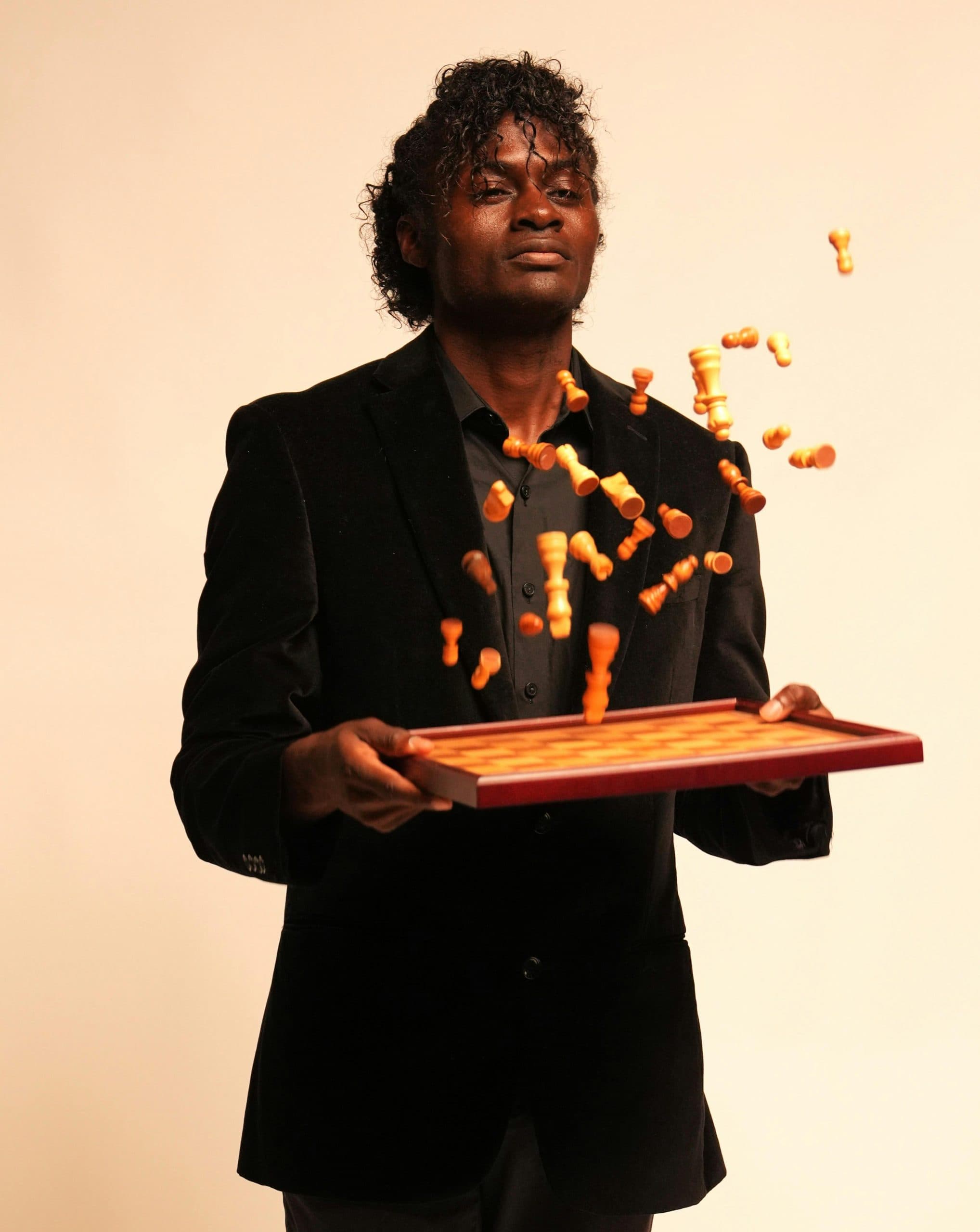
We live in the “Attention Economy.” Studies show that the average human attention span on social media is now less than 8 seconds—shorter than that of a goldfish.
For brands, this poses a critical question: How do you stop the scroll?
At Evobe Technologies, our creative team often navigates the debate between Static Posters (traditional graphic design) and Motion Posters (animated graphics). While video is booming, static design is far from dead. The secret to a successful campaign lies in knowing when to use which.
1. The Static Poster: The Art of Instant Clarity
Static design is the sniper of marketing. It has one shot to deliver a message.
When to use it:
Information Density: When you need to convey specific details (dates, times, pricing) that the user needs to read at their own pace.
Quick Load Times: Static images load instantly, making them essential for areas with slower connectivity.
Consistency: Perfect for maintaining a rigid brand identity across various platforms (LinkedIn carousels, Instagram grids, print media).
The Evobe Edge: Our static designs focus on Visual Hierarchy. We use negative space and typography to ensure the viewer absorbs the core message in under a second.
2. The Motion Poster: The Art of Storytelling
If static design is a photograph, motion design is a conversation. Motion posters combine graphic design with animation, sound, and timing to evoke emotion.
Why it wins on Social Media:
Algorithm Favoritism: Platforms like Instagram and LinkedIn prioritize video content (Reels, video posts) over static images.
Guiding the Eye: Motion allows us to control what the user looks at and when. We can animate a headline to appear first, followed by the product, and finally the Call to Action (CTA).
Higher Engagement: Motion graphics generate up to 1200% more shares than text and images combined.
The Evobe Edge: We don’t just animate for the sake of movement. We use Micro-Interactions and smooth transitions to make the artwork feel alive without being distracting.
3. The Verdict: You Need an Ecosystem
The most successful brands don’t choose one over the other; they create a content ecosystem.
Imagine a campaign launch for a new product:
Teaser Phase (Motion): A 10-second mysterious motion poster to build hype and stop the scroll.
Launch Phase (Static): High-resolution static posters detailing the features and pricing for clarity.
Sustain Phase (Motion): A looped animation of the product in action to keep engagement high.
Conclusion
Design is no longer just about making things look good; it’s about Communication Engineering. Whether it’s a stillness that captures elegance or a motion that captures energy, the medium must fit the message.
At Evobe Technologies, our creative team blends artistic vision with digital strategy to ensure your brand doesn’t just get seen—it gets remembered.
Ready to elevate your brand’s visual language? Check out our Portfolio to see our latest static and motion work.

admin
Software Developer and Tech Enthusiast. Writing about code, automation, and the future of SaaS.